Hybrid work has transformed how we work - proving to be productive, efficient, and beneficial for both members and employers.

Across the Society, hybrid and remote arrangements have improved quality of life, strengthened performance, and delivered cost savings.

While these arrangements vary by workplace, one thing is clear: hybrid work works.

Despite this, there is growing pressure to roll back flexible work. The Society is taking action to protect hybrid work as a fair and permanent working condition.

The Campaign

The Society of United Professionals is launching a union-wide campaign to protect and embed hybrid work for all members where feasible.Hybrid work is not a perk - it is a proven model that:

  • Supports productivity and organizational effectiveness
  • Strengthens recruitment and retention
  • Promotes healthy work-life balance

Through member engagement and collective action, the campaign will:

  • Push back against arbitrary return-to-office requirements
  • Promote fairness and consistency across workplaces
  • Protect rights secured through Collective Agreements

Why It Matters

Protecting hybrid work means:
  • Defending professional standards based on results, not presence
  • Supporting equity, accessibility, and inclusion
  • Strengthening a modern, high-performing workforce
  • Responding collectively to employer rollbacks
Member engagement is key to securing clear, consistent, and enforceable hybrid work policies.


Decisions about where we work must respect our collective agreement, our expertise, and our proven results.

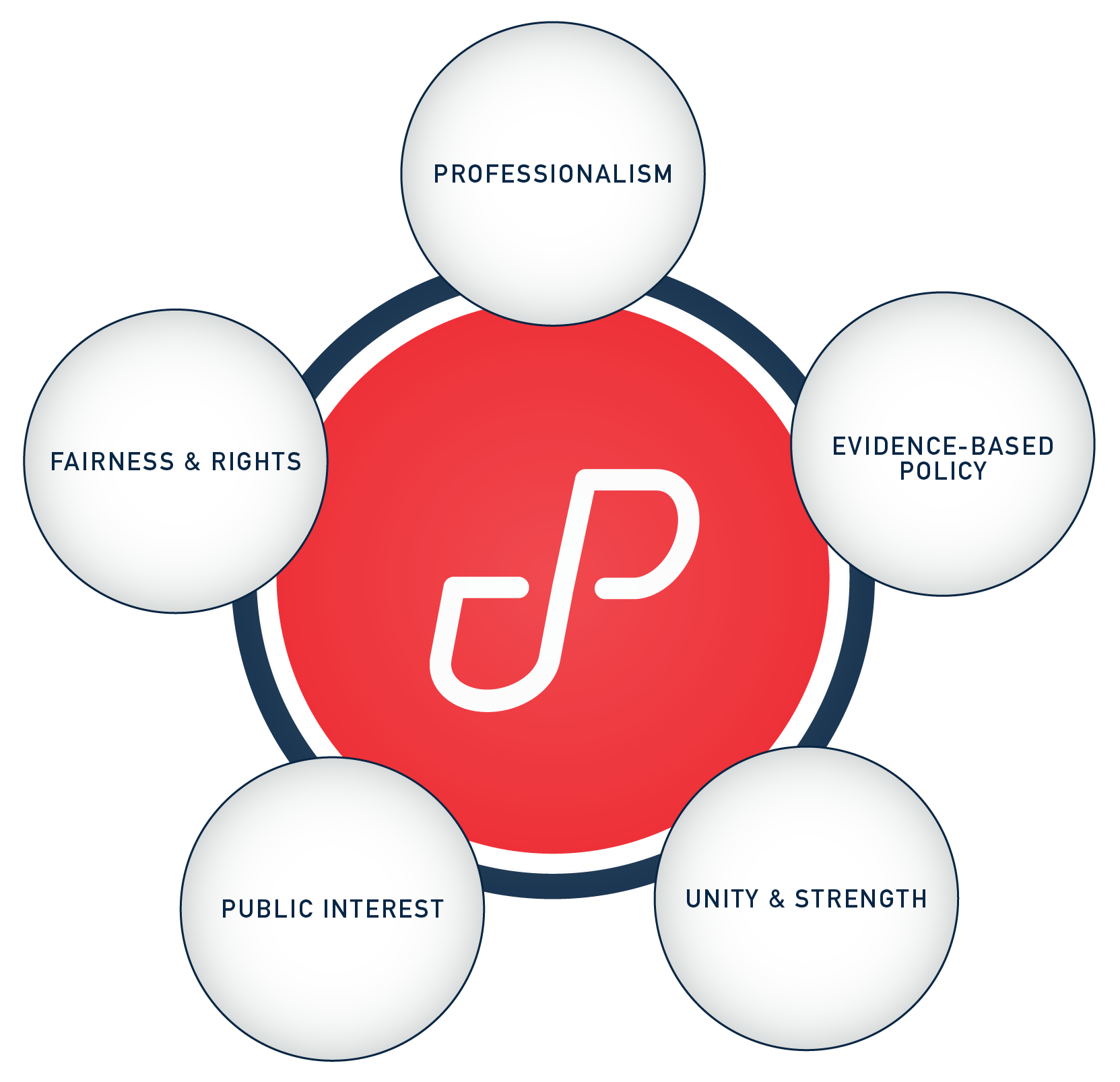
The campaign rests on 5 pillars:

  1. Professionalism
    Members are skilled professionals capable of delivering excellence from anywhere.

  2. Evidence-Based Policy
    Remote and hybrid arrangements have demonstrated operational productivity and efficiency.

  3. Fairness and Rights
    Remote work is a collective agreement enforcement issue, not a privilege. It intersects with equity and human rights considerations, including family status, gender, and disability.

  4. Public Interest
    Flexible work supports recruitment, retention, productivity, and value for the public. This is particularly important during major energy sector project cycles.

  5. Unity and Strength
    When the employer pushes back, members respond collectively.